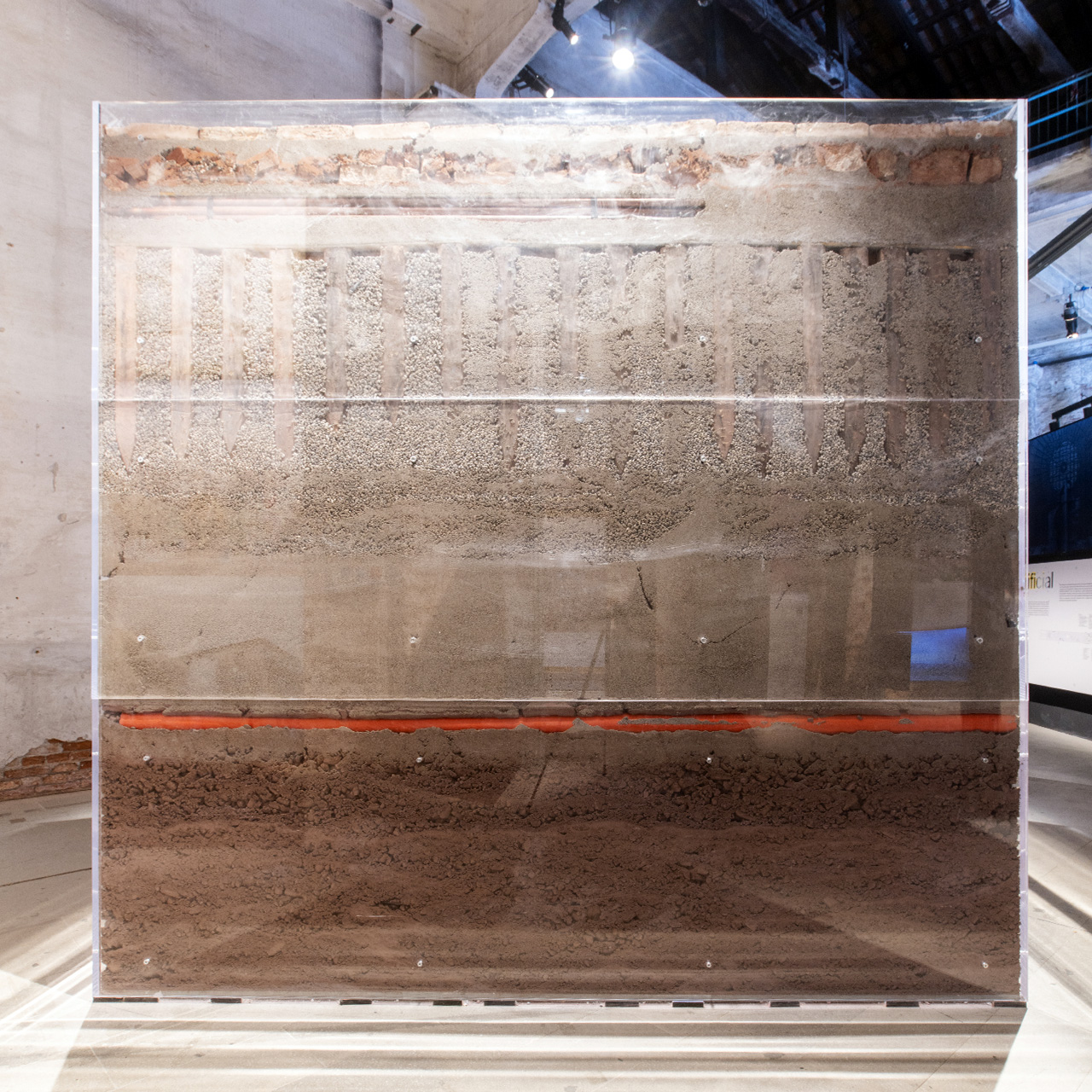

Sensor
Gas pipe
Soft clay
Fill
Sewage pipes
Underground cables
Stiff clay
Hard clay

As part of the 19th International Architecture Exhibition of La Biennale di Venezia, the project Underground Climate Change unveiled a striking installation that brought this phenomenon into plain view. With the aim to raise awareness about the threats and opportunities posed by underground climate change, such design initiative was composed of through four integrated elements:
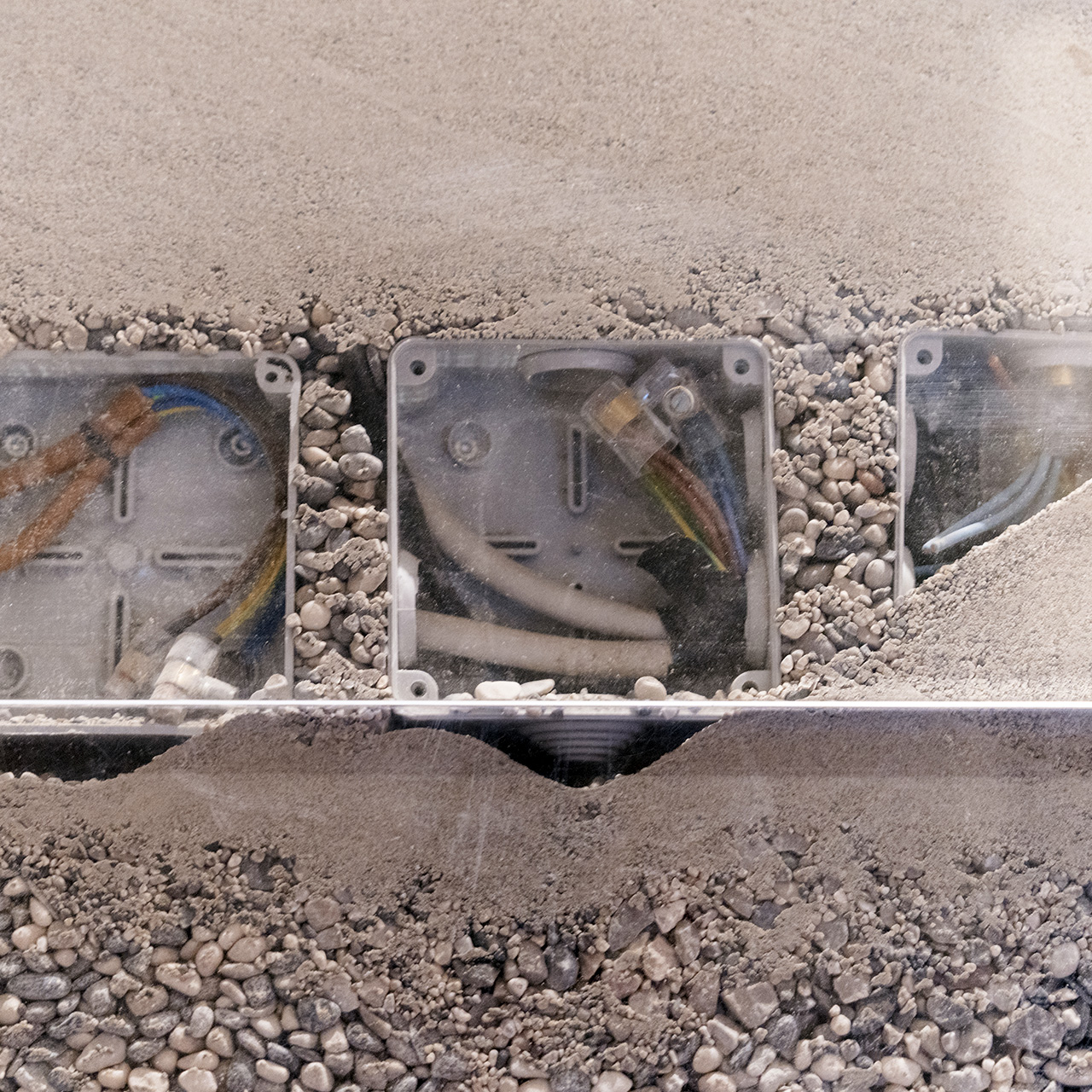
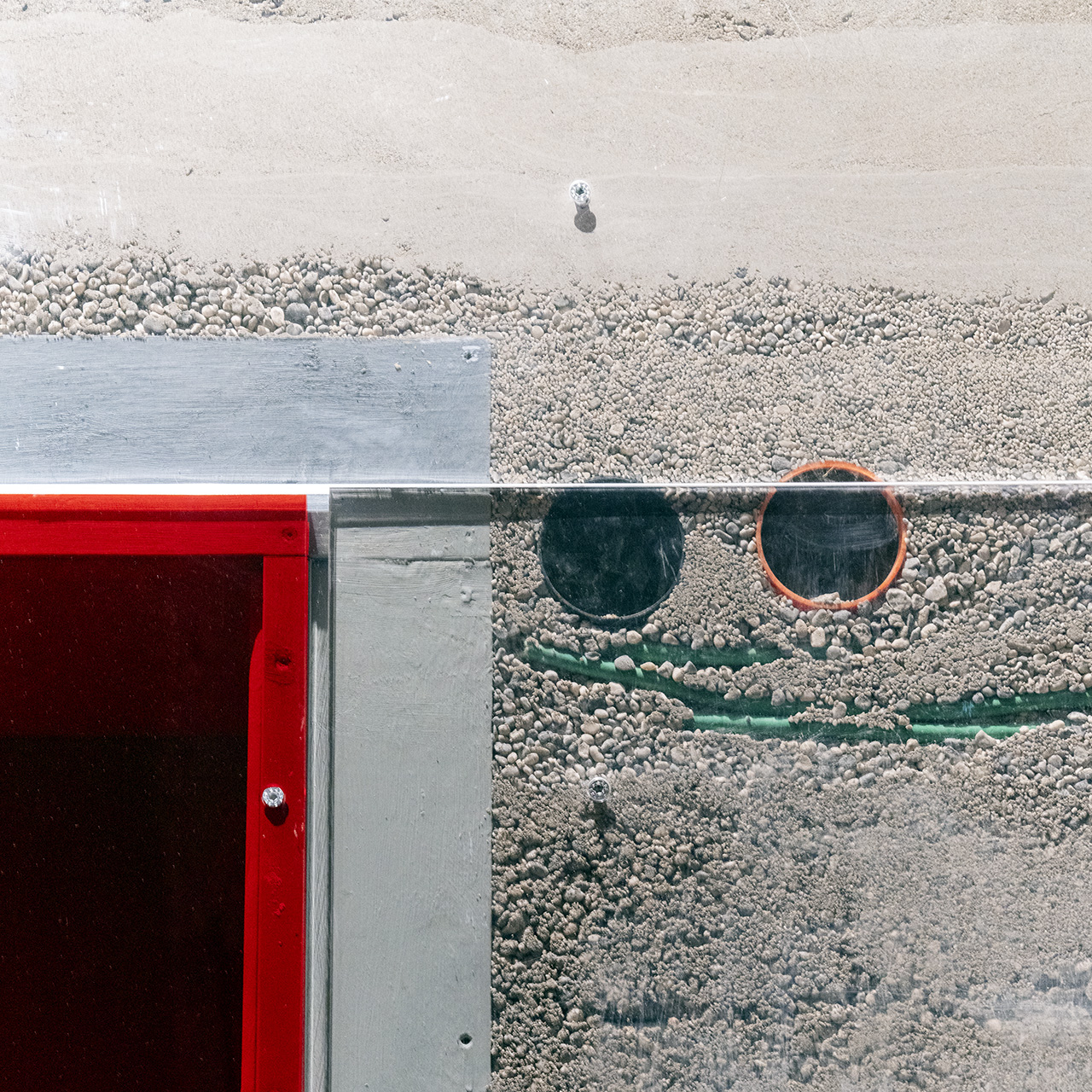
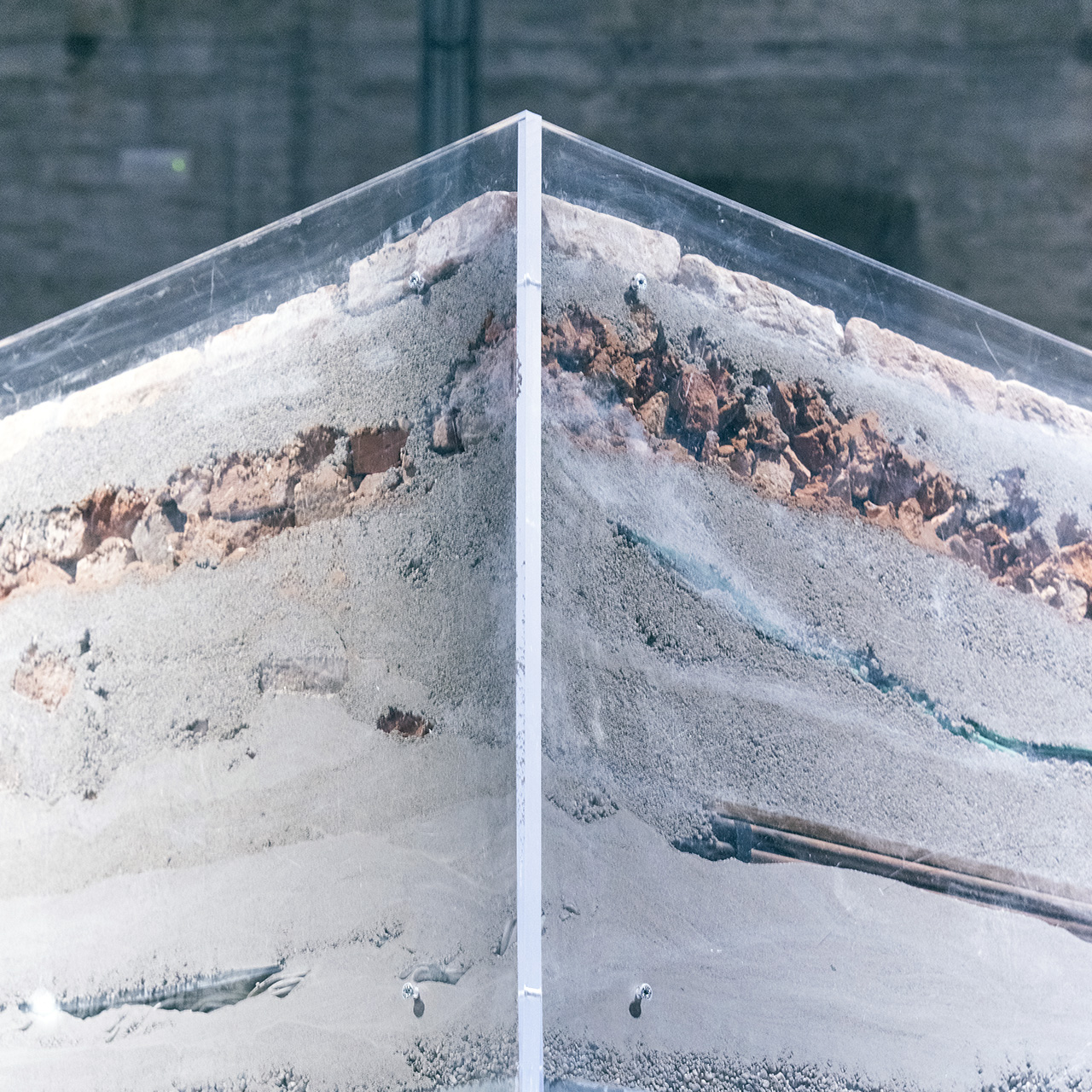
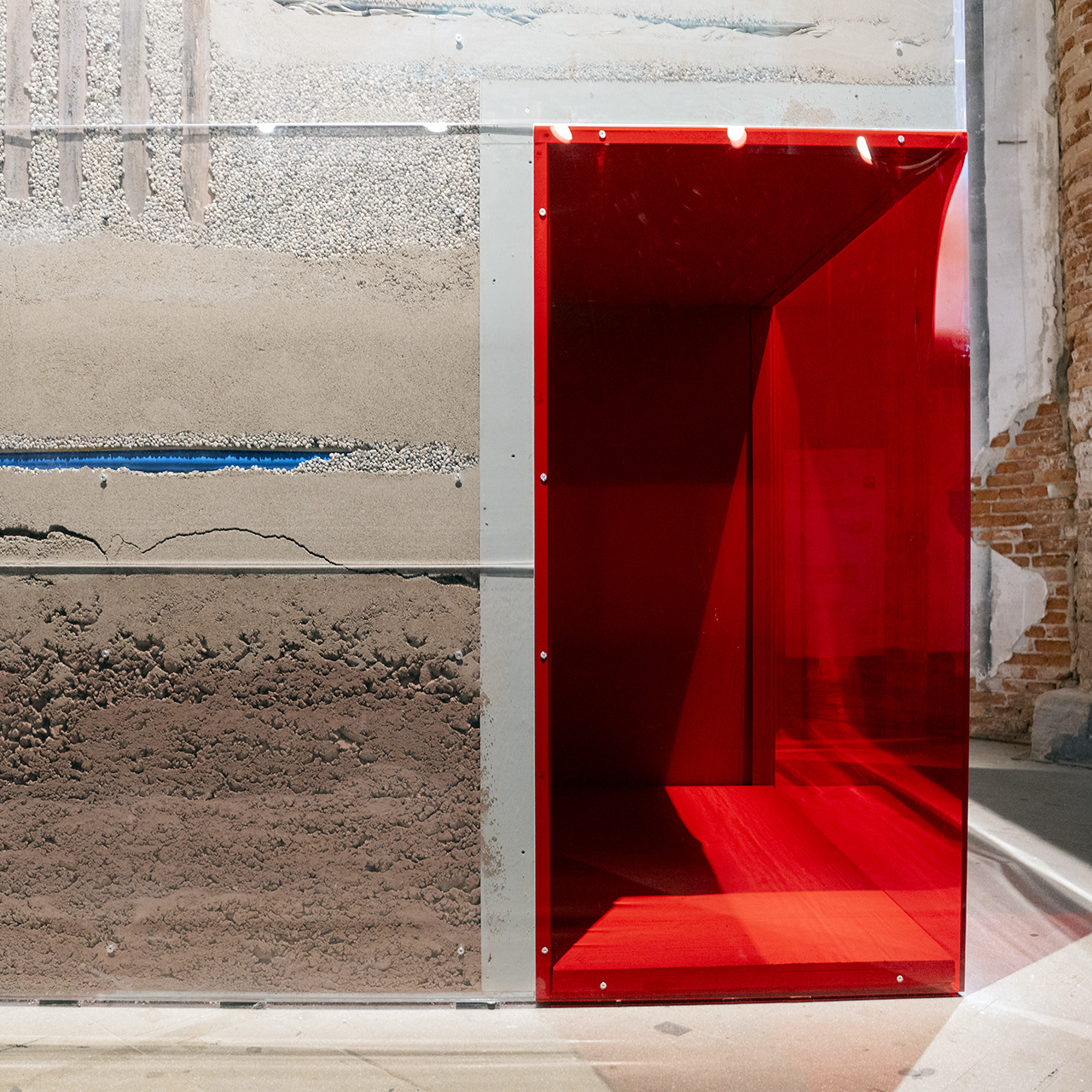
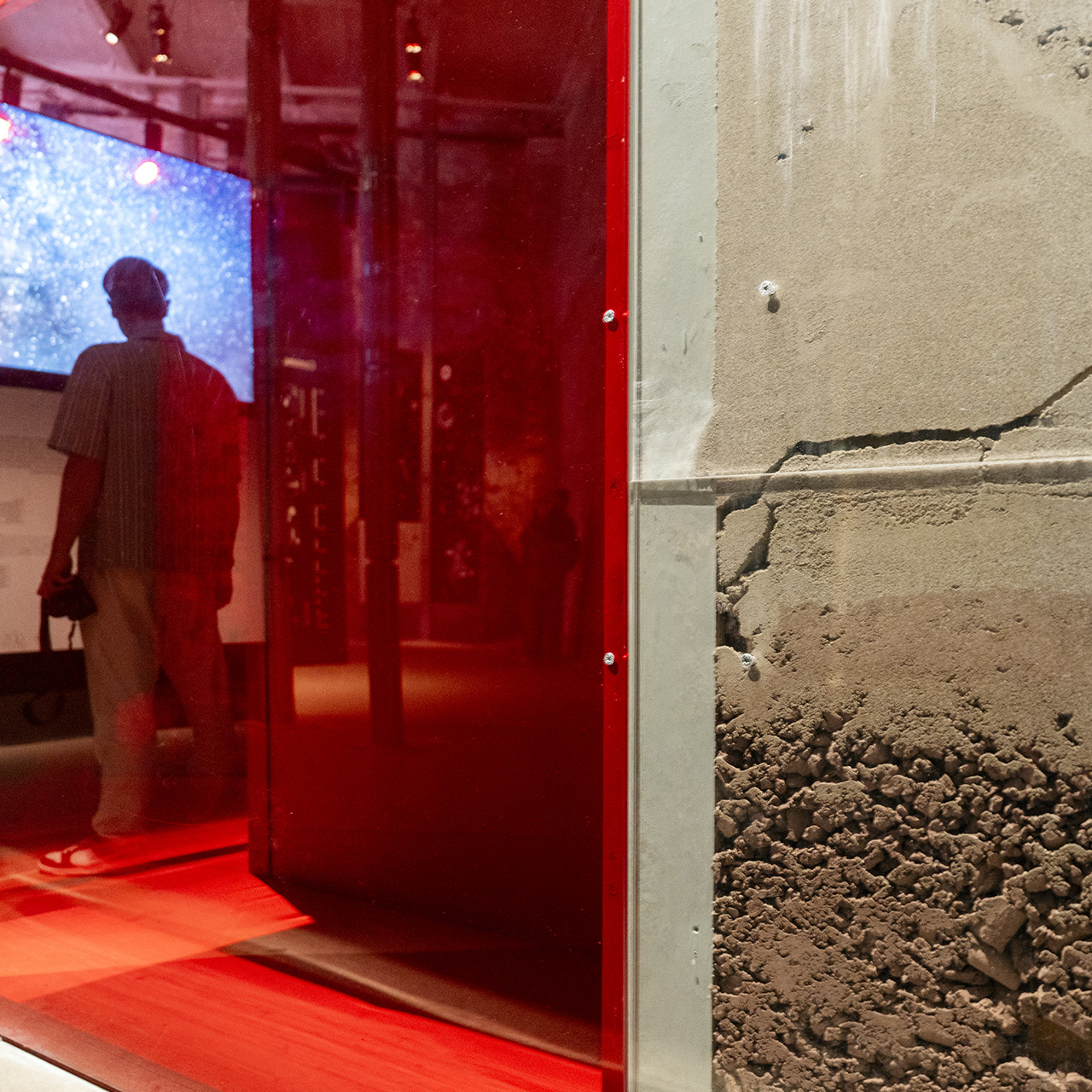
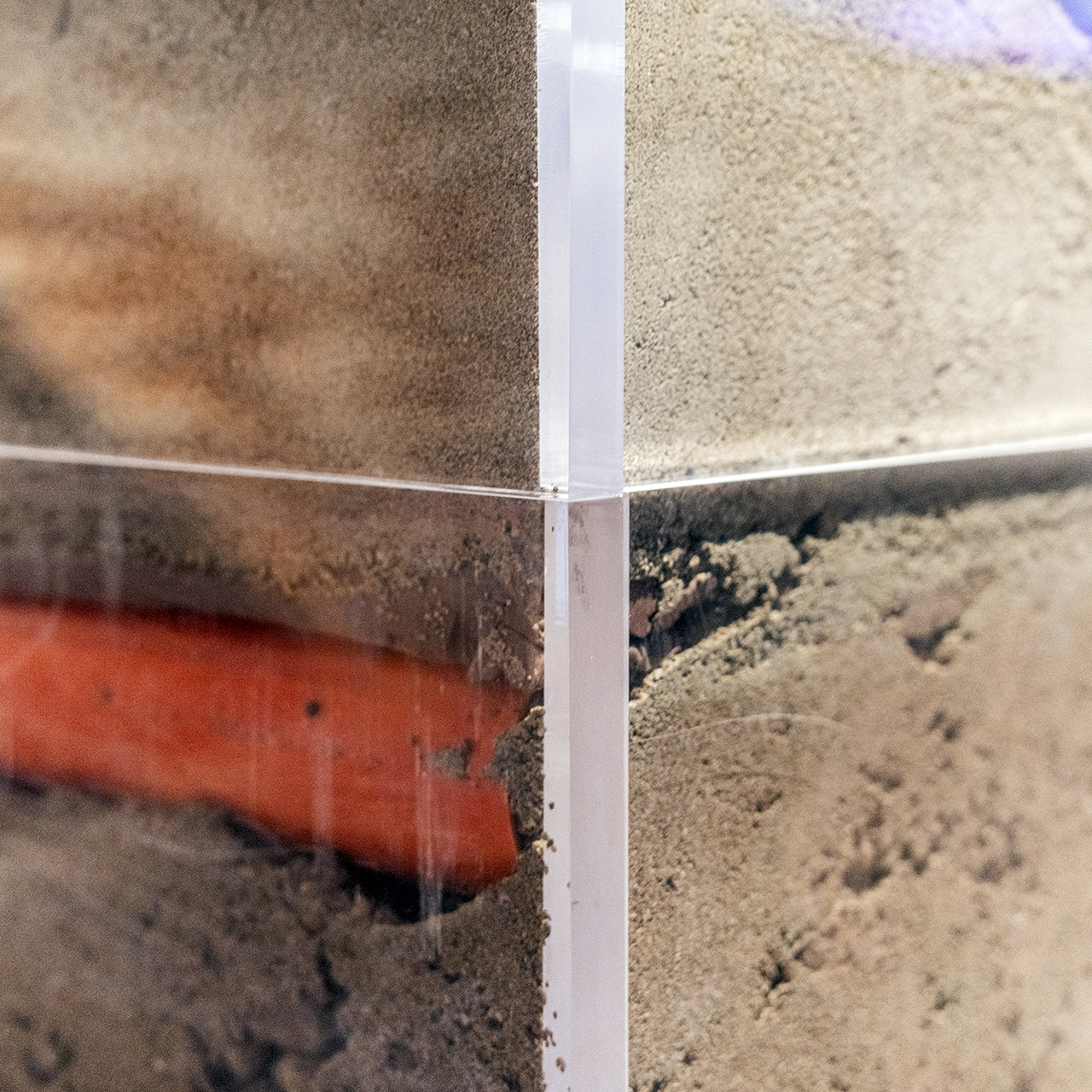
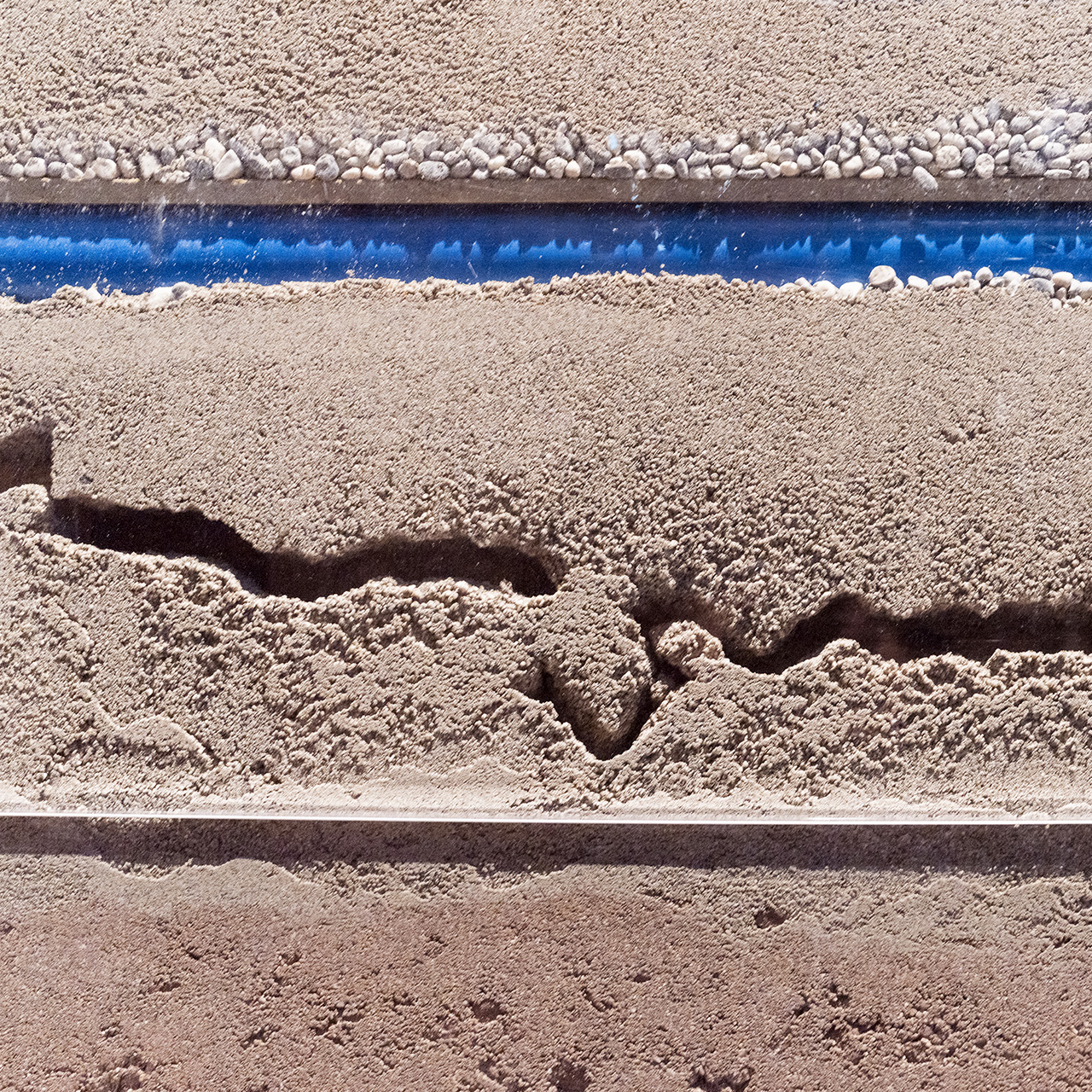
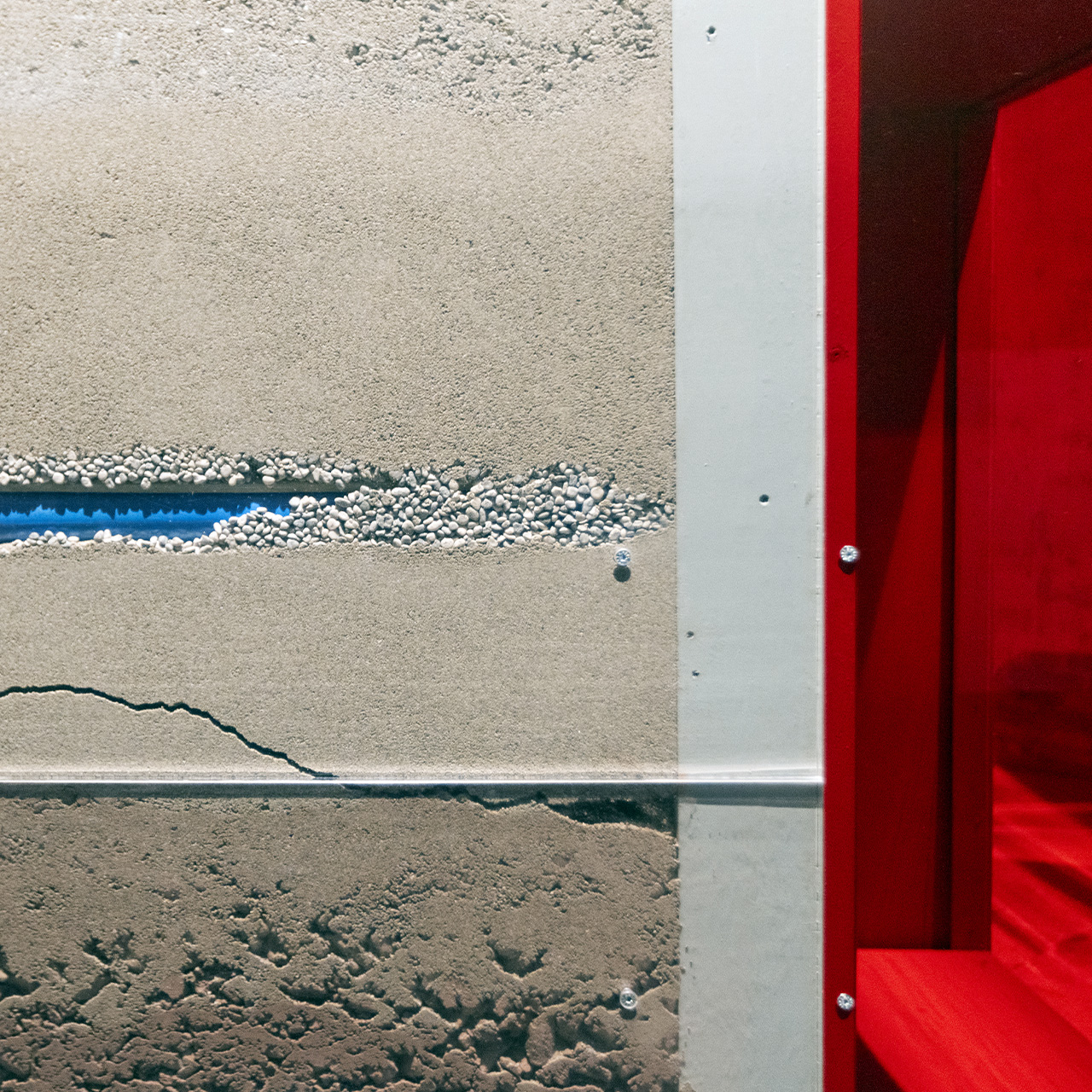
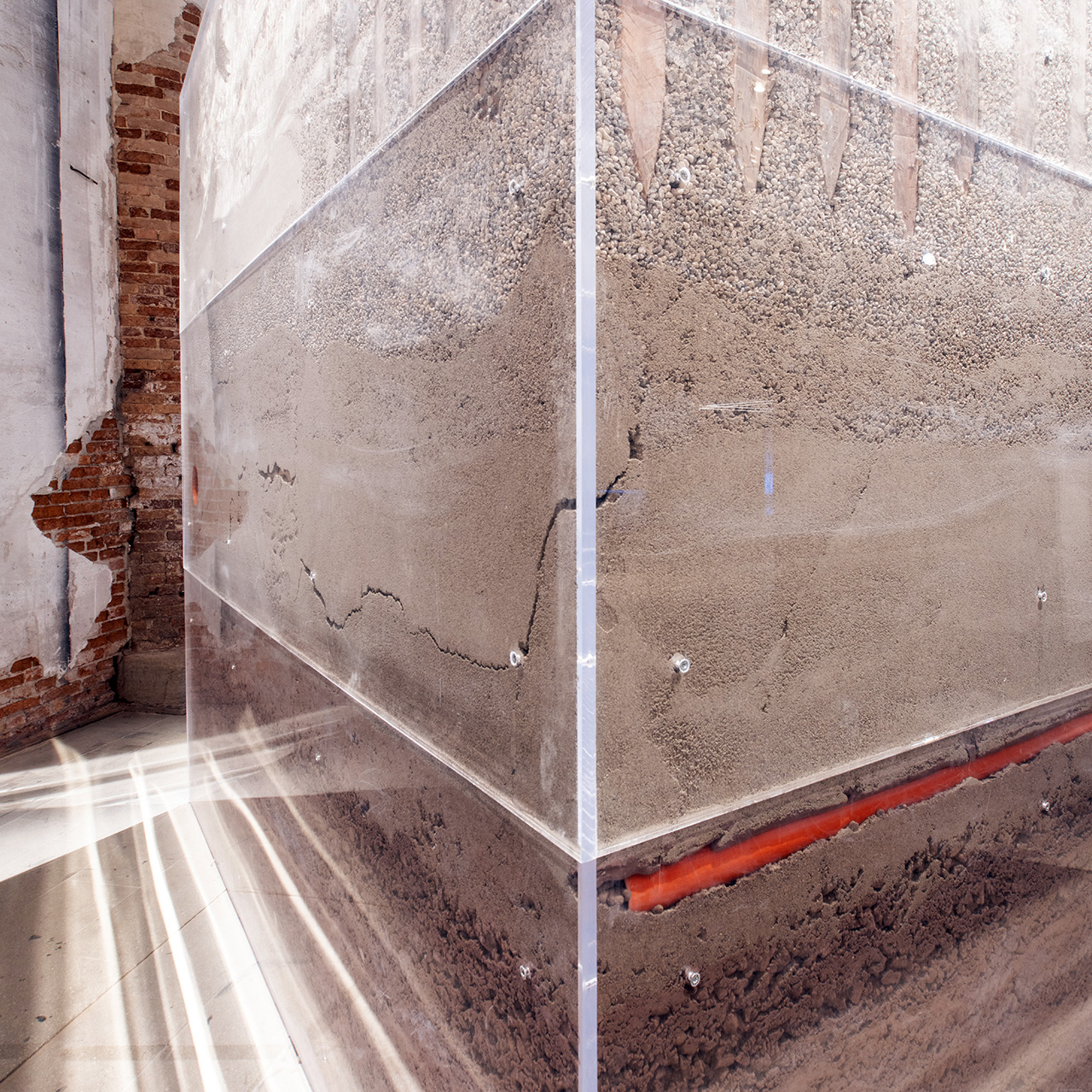
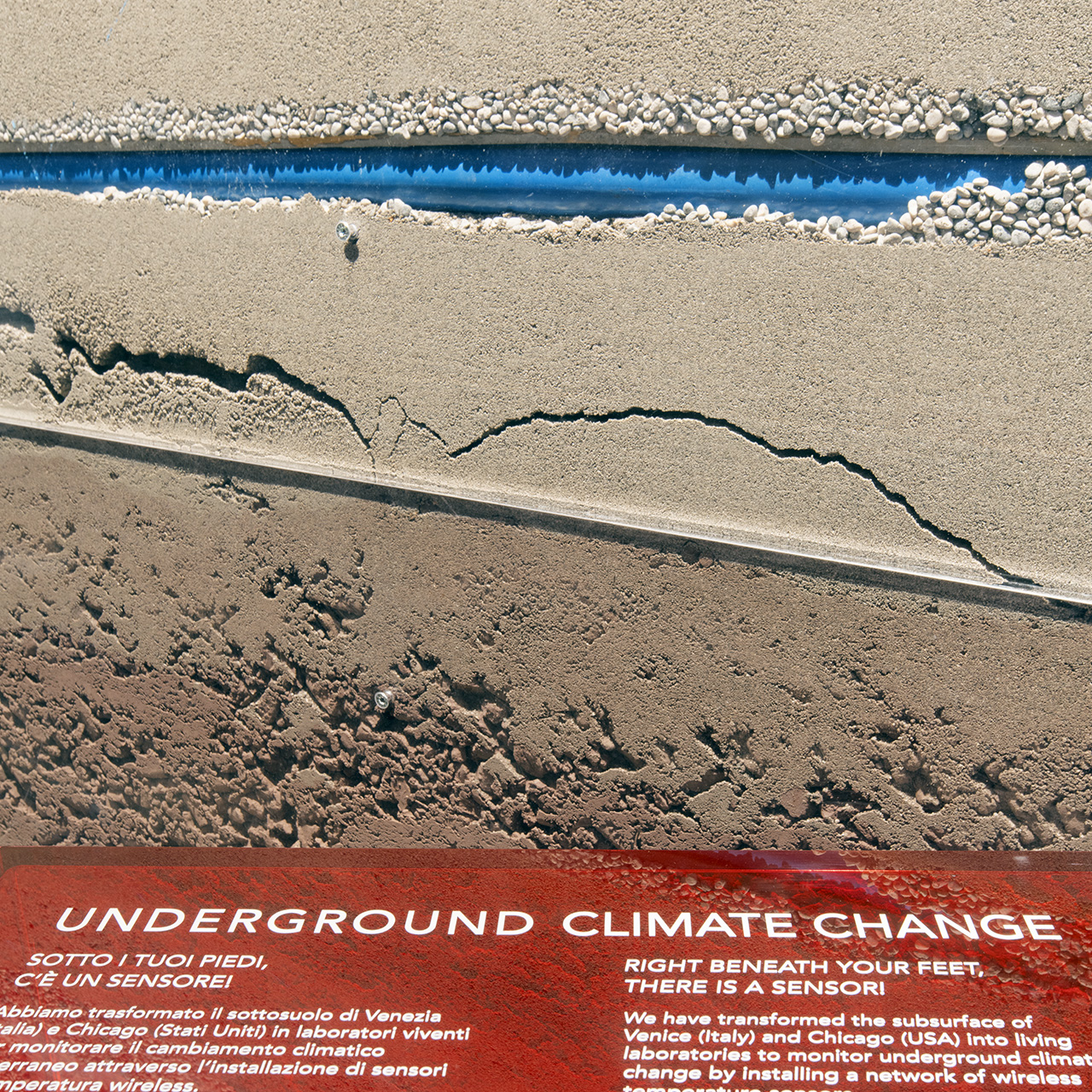
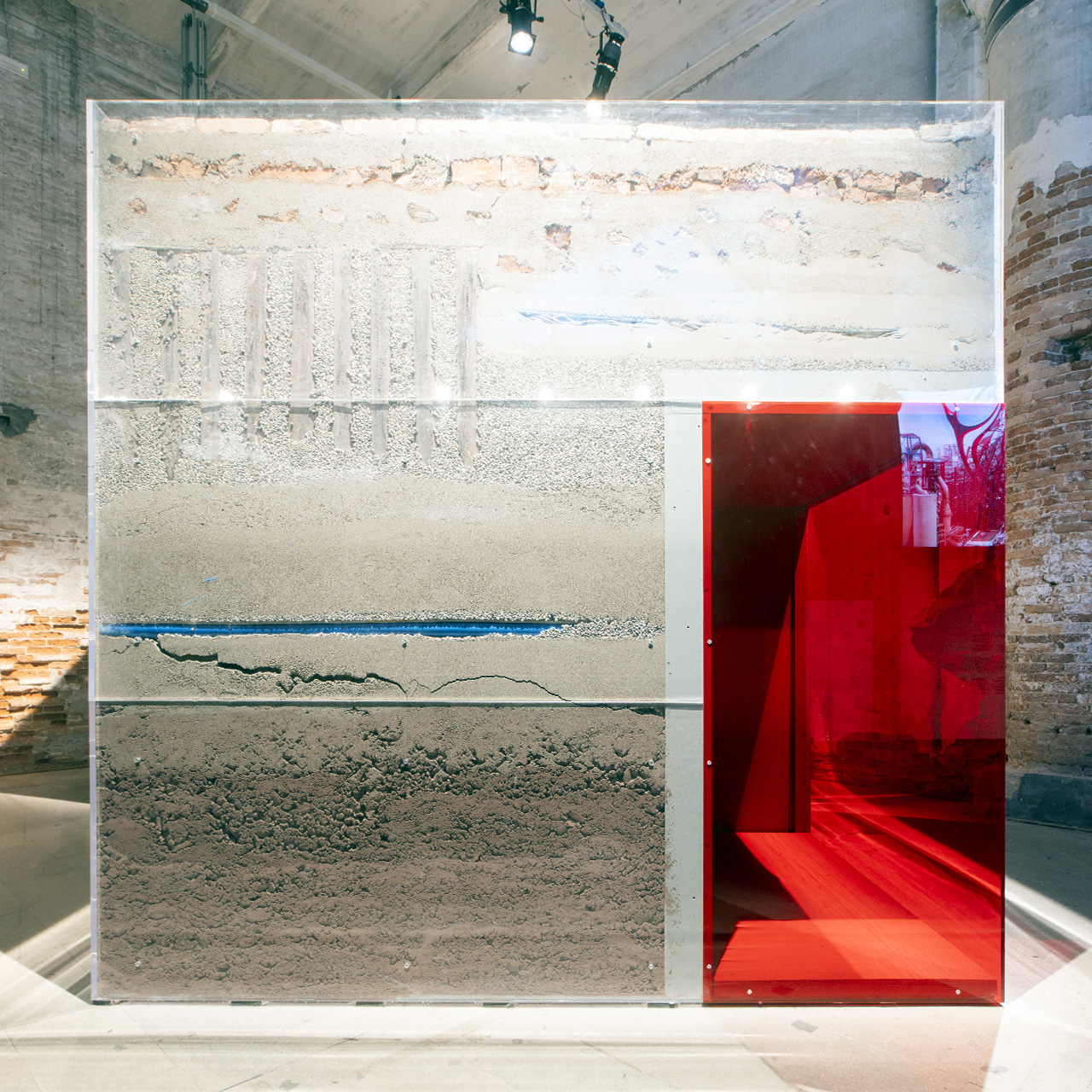
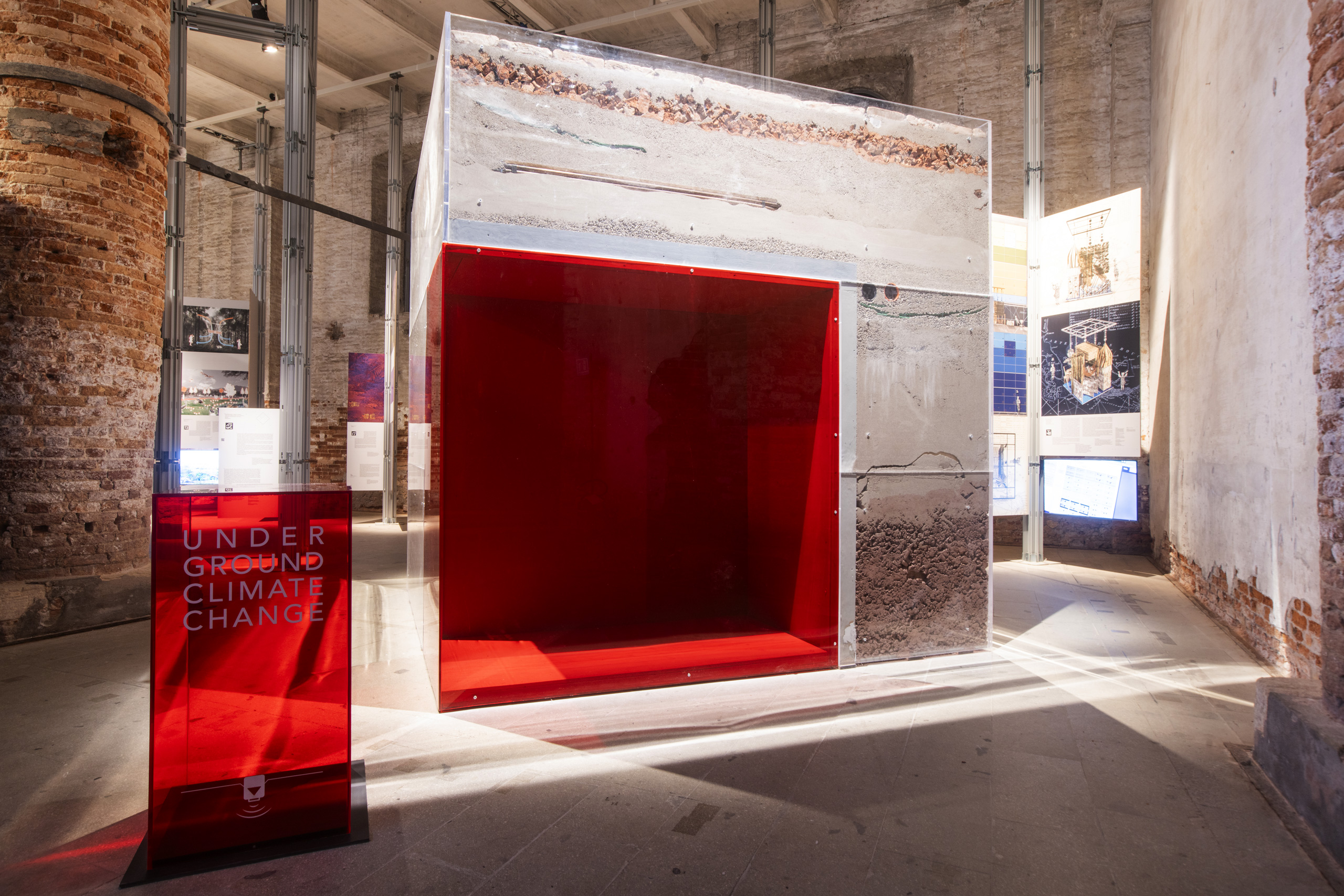
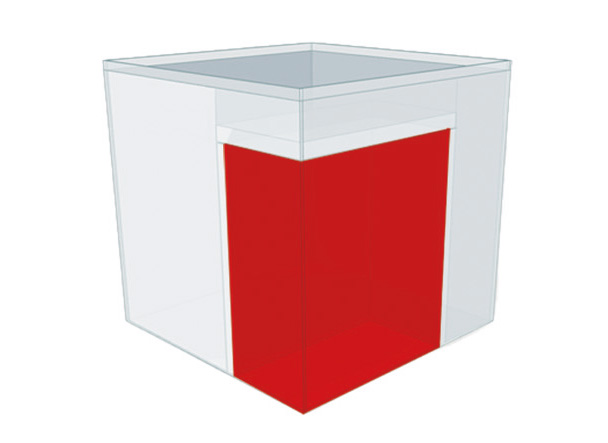
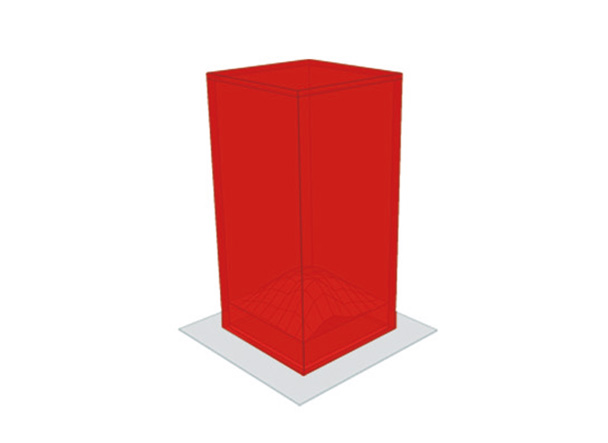
Inspired by the material interventions characteristic of Land Art, the installation consisted of a 3m x 3m x 3m wooden structure with a plexyglass façade, filled with actual ground and construction materials, for indoor or outdoor exhibition. Drawing inspiration from the local geology and historical construction practices of Chicago (USA) and Venice (Italy), this installation represented an extrusion of the urban subsurface. It showcased the diverse drivers of underground climate change on a 1:1 scale, providing visitors with a visual and immersive experience of the hidden space where this phenomenon unfolds—out of sight and often out of mind: the urban subsurface.
Sensor
Gas pipe
Soft clay
Fill
Sewage pipes
Underground cables
Stiff clay
Hard clay
* The architectural installation of the project Underground Climate Change at Biennale Architettura 2025: the installation represents an extrusion of the urban underground with a slice of a subterranean structure (building basement, underground parking, pedway, mall, or other underground space) and other drivers of underground climate change, including pipes and conduits.
Sometimes, the best impact is no impact. Guided by this philosophy, this initiative made every effort to minimize its environmental footprint while promoting circularity and sustainability. Within a footprint of just 3 × 3 meters, the installation brought together materials from three editions of La Biennale, fragments of its architectural history, and decades of dedication and action by the project team to address climate change and social justice.
The installation exclusively used locally sourced, repurposed, recyclable, and reusable materials, including plexiglass, wood, steel, and earth materials. Part of the plexiglass used in the exhibition was recycled, and all of it was designated for reuse at the end of the exhibition to create jewelry by local designer MiGa Design. The clay was recovered from Anna Maria Maiolino’s installation at the previous Biennale, in the Giardino delle Vergini, where the artist received the Golden Lion for Lifetime Achievement. The wood supporting the installation from within was given a third life, having previously been used in the 2024 Swiss Pavilion and, before that, in Argentina’s 2023 Pavilion. The bricks were recovered from the U.S. Pavilion and had originally been manufactured by the local company San Marco. Pipes and cables were collected throughout Venice, while even the stones and traditional Venetian paving slabs (masegni) were salvaged from construction sites and disposal areas across the city.
Beyond the installation itself, the project sought to raise awareness of underground climate change among the local population by engaging residents and local organizations in the deployment of temperature sensors across selected properties throughout Venice. This collaborative effort fostered a strong sense of community, shared ownership, and belonging, reinforcing the project’s broader ambition to transform Venice into a living laboratory for scientific research and climate action. The resulting sensing network was designed to remain operational for as long as local residents and participating organizations permit, providing a lasting scientific resource for monitoring, understanding, and ultimately mitigating underground climate change in the years to come.
Driven by the goal of transforming data into actionable knowledge, this project utilized four wireless temperature sensing networks to monitor the intensity of underground climate change. Altogether, these sensing networks allow to gather tens of thousands of temperature data per day.
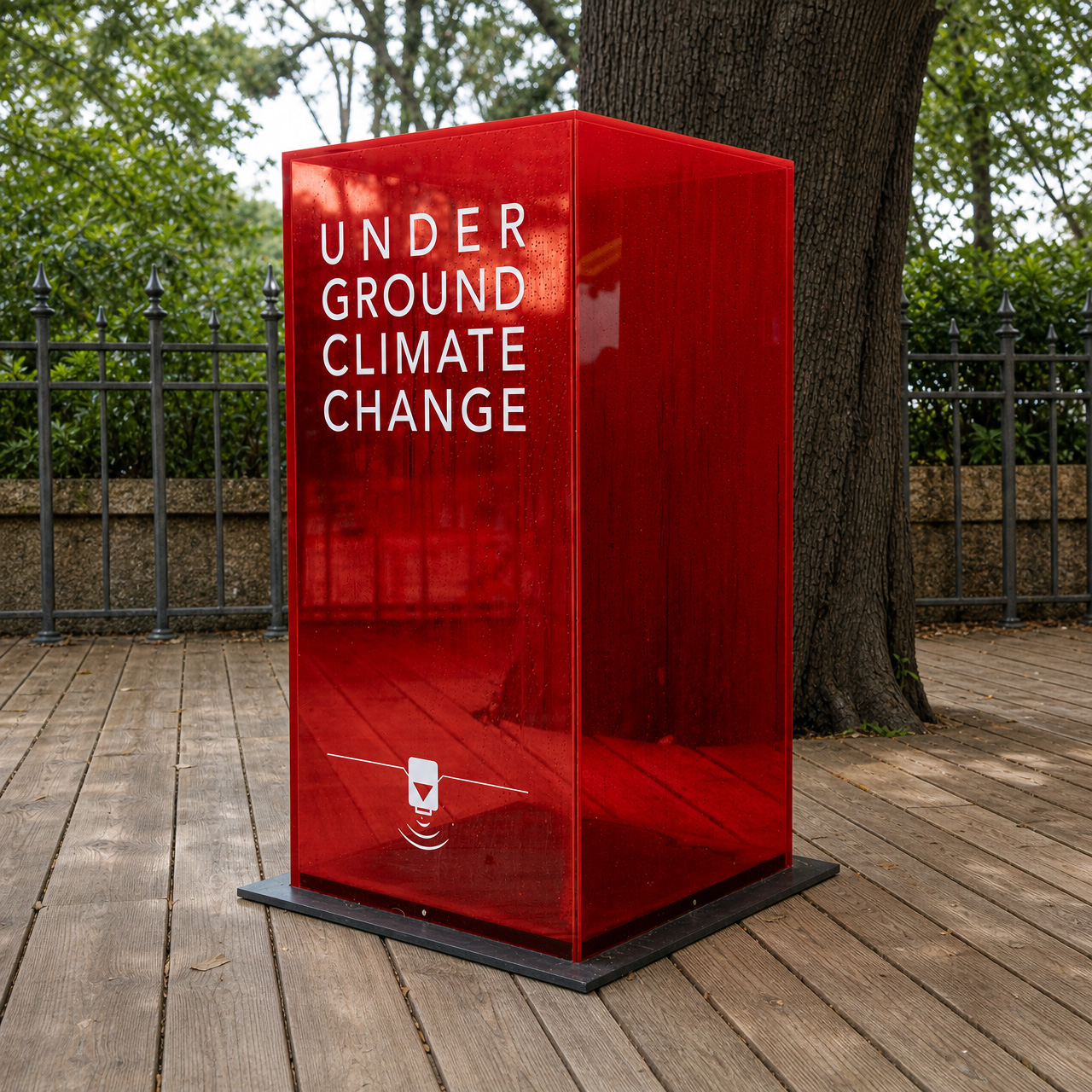
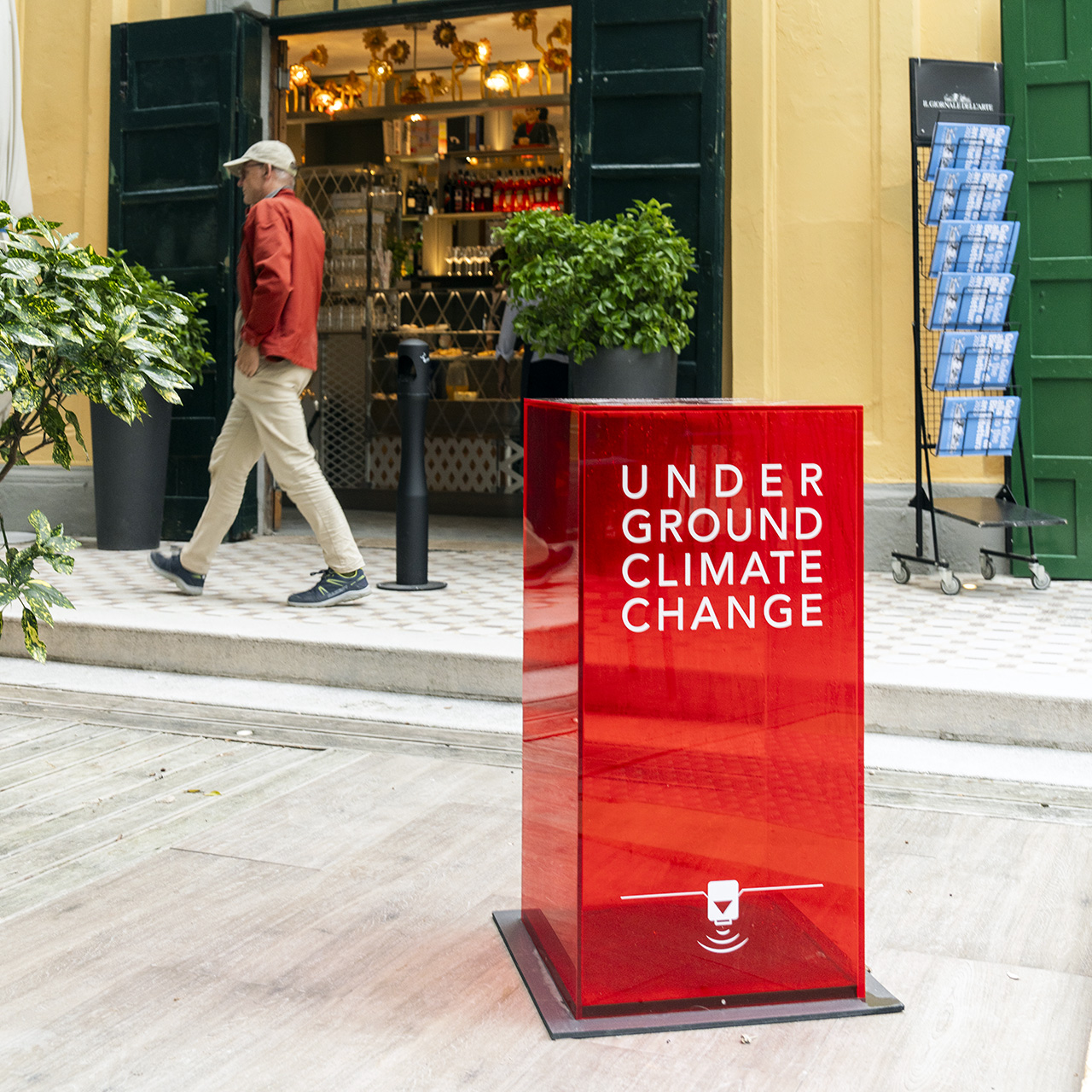
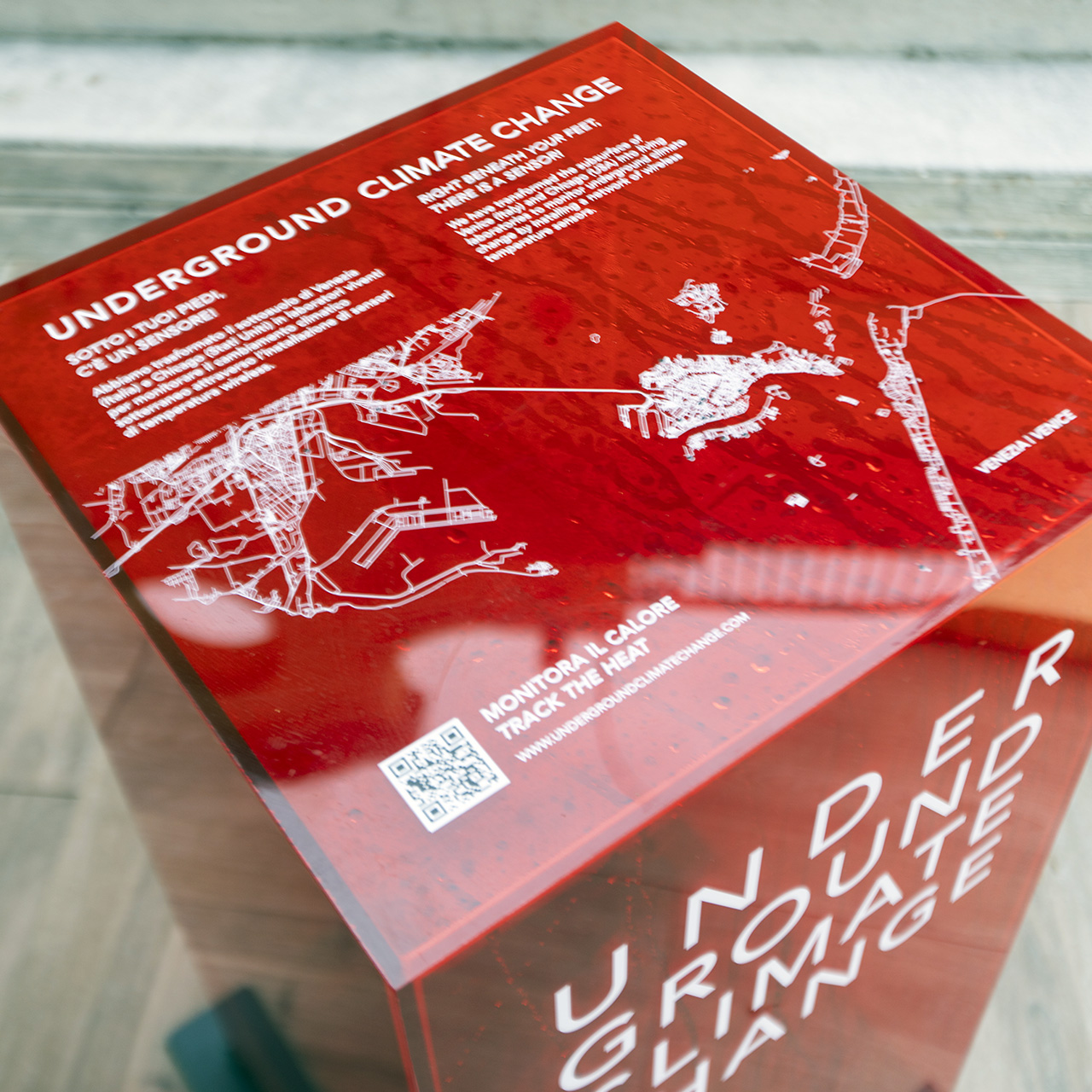
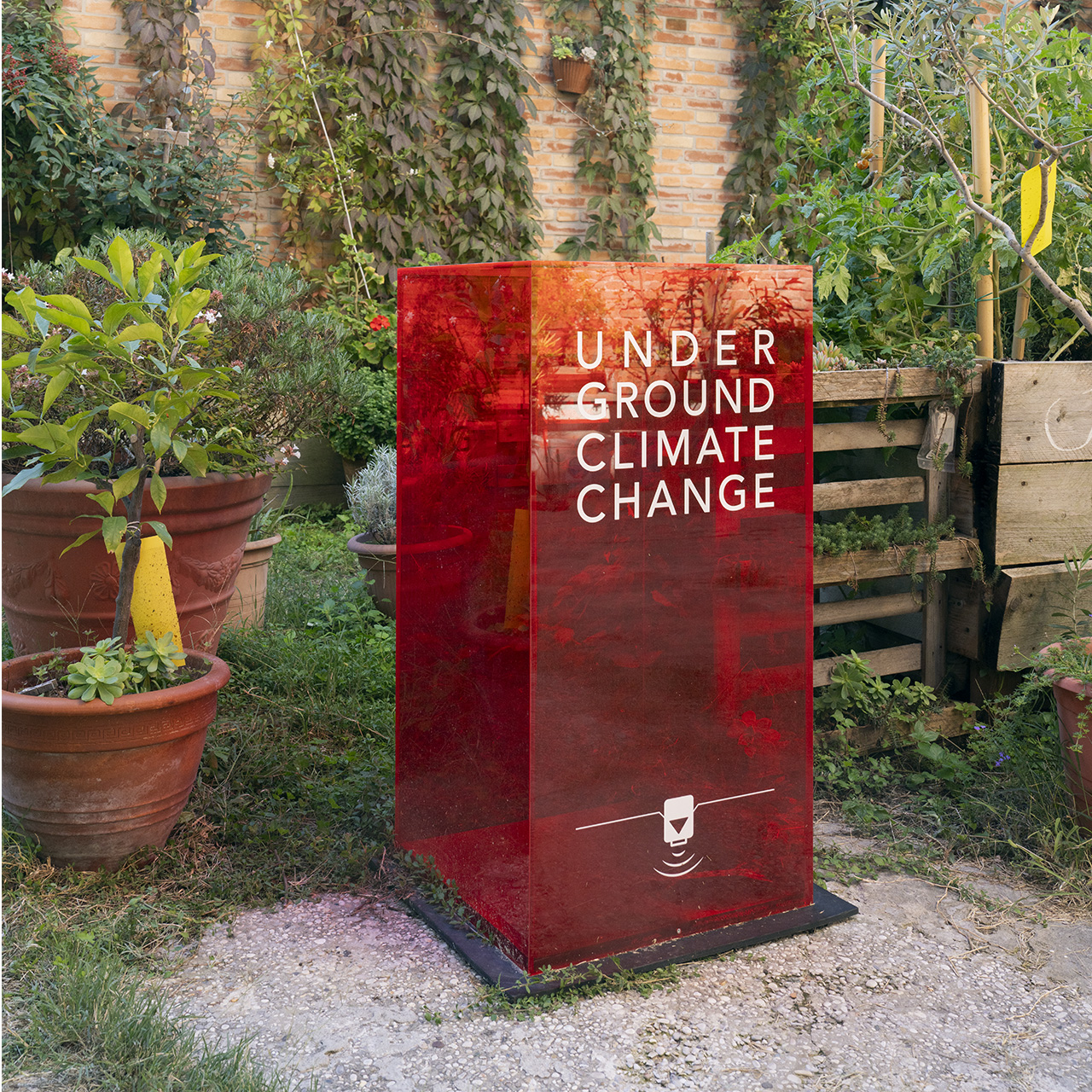
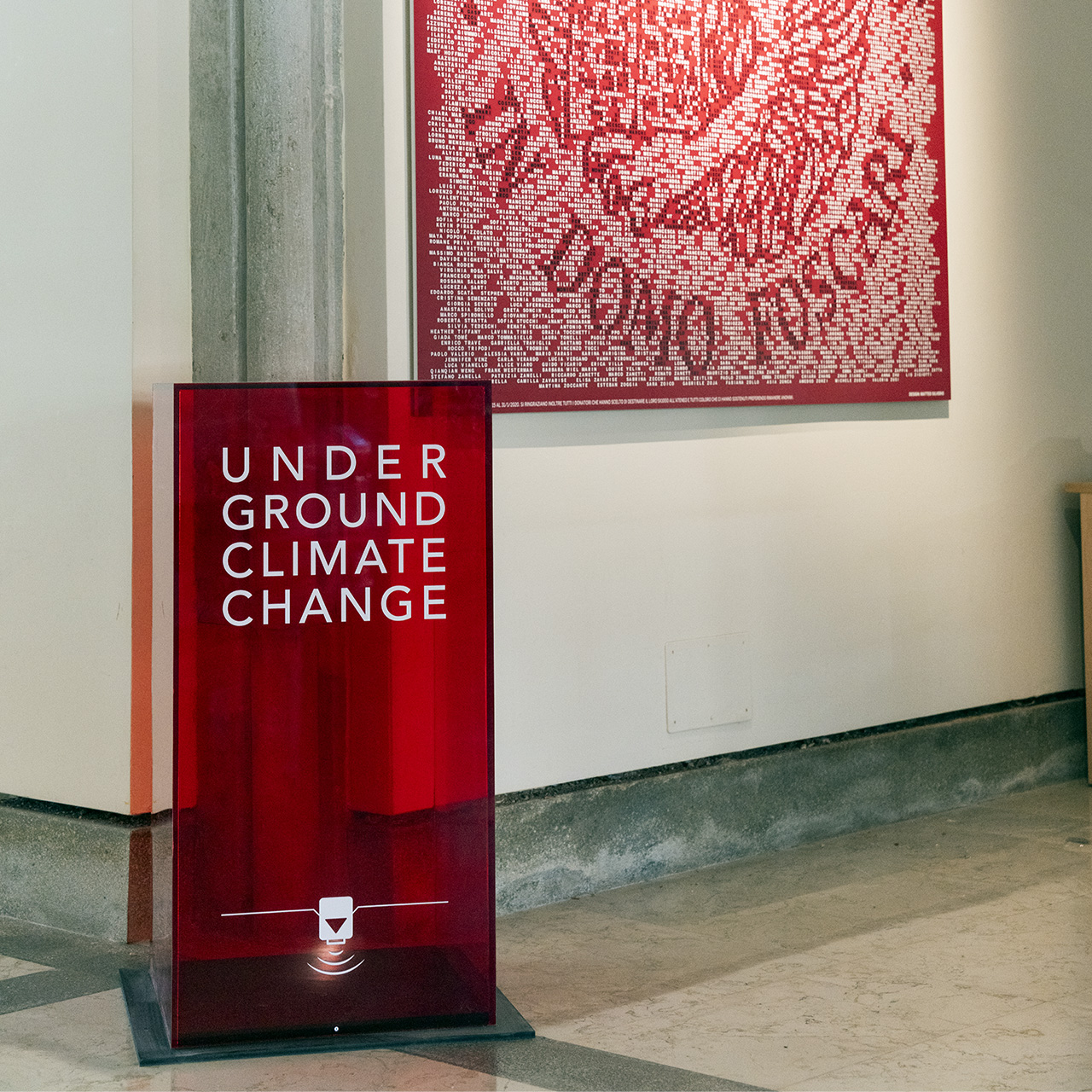
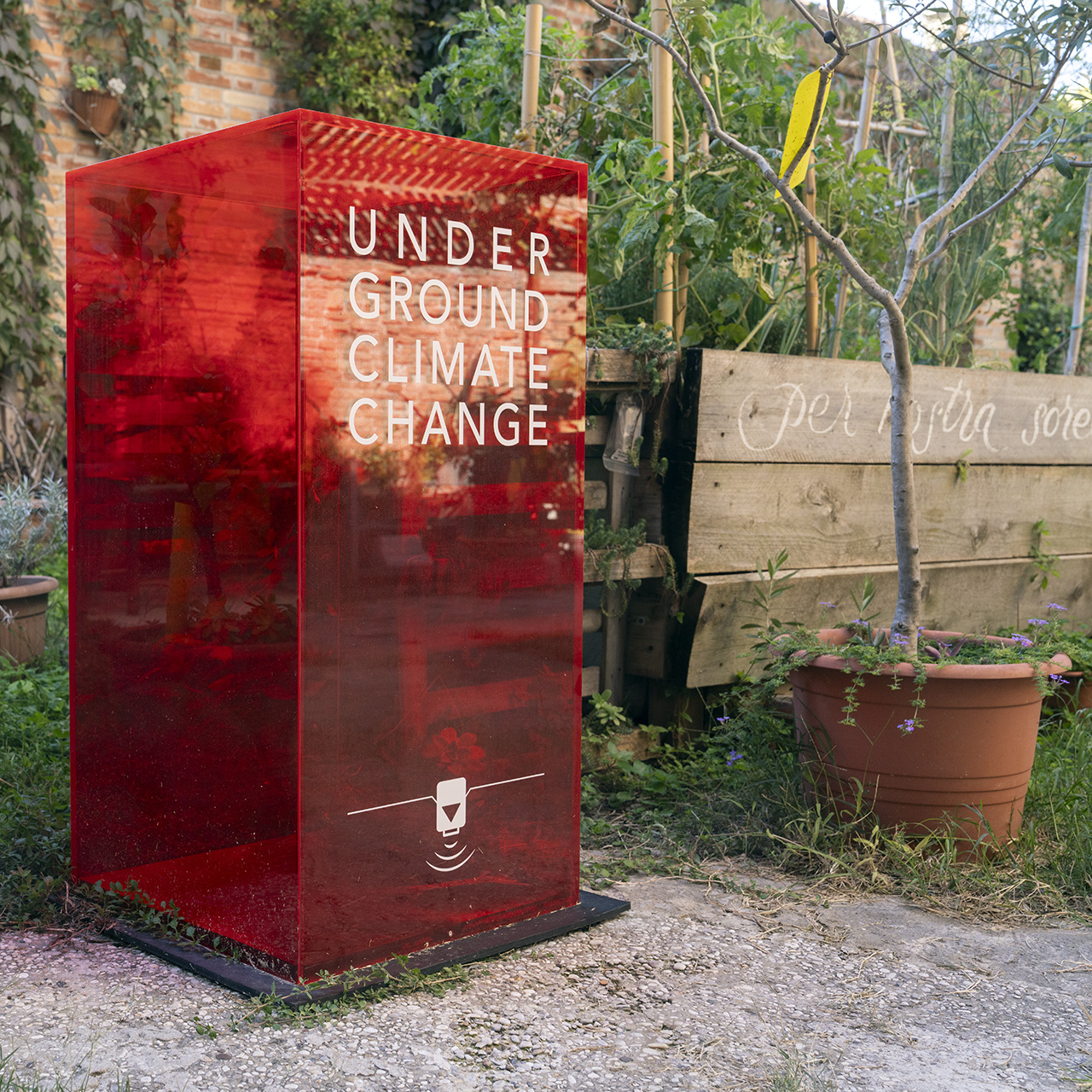
Informational panels made of recycled plexiglass were installed at strategic locations across Venice to serve three complementary purposes: (1) Enhance the project’s visibility throughout the city and establish a conceptual connection with the main installation at the Arsenale; (2) Highlight the presence of nearby temperature sensors and raise awareness of the city’s underground sensing network; and (3) Direct visitors to Venice and La Biennale to a dedicated website, offering an interactive and complementary learning experience about underground climate change through the exploration of data collected by the two sensing networks.
Alessandro F. Rotta Loria
Giorgia Chinazzo
Margaux Peltier
Melissa Rotta Loria
Guido Corino
Andrea Mangiantini
Anjali Thota
Zhonghao Chu
Elena Ravera
Beatrice Formenti
Anaëlle Burnand
The Alumnae of Northwestern University
Rebiennale
ela INNOVATION
Must Be
MODOLAB
Service de la Promotion de l’économie et de l’innovation – Canton de Vaud, Suisse
Università Ca’ Foscari Venezia
Marine Archaeology Research Venice Equipe
Club Subacqueo San Marco
Jolly Snc
Orto del Campanile
Giuseppe Piccolo Architetto
Milestone Architecture
InParadiso Art Gallery – Concilio Europeo dell’Arte